Mastering the nuances of the English language can be a daunting task, especially when it comes to understanding the different types of verbs. Verbs are the backbone of any sentence, and knowing how to use them correctly is essential for effective communication. Among the various types of verbs, linking verbs and action verbs are two of the most critical concepts to grasp. Linking verbs, also known as copular verbs, connect the subject of a sentence to additional information, while action verbs, as the name suggests, express physical or mental actions.
The distinction between linking verbs and action verbs is not just a matter of academic interest; it has a significant impact on how we construct sentences and convey meaning. For instance, in the sentence ‘She is a doctor,’ the verb ‘is’ is a linking verb that connects the subject ‘She’ to the predicate ‘a doctor.’ On the other hand, in the sentence ‘He is running,’ the verb ‘is running’ is an action verb that describes the physical activity of the subject. Understanding these differences is crucial for clear and accurate communication, whether in writing or speaking.
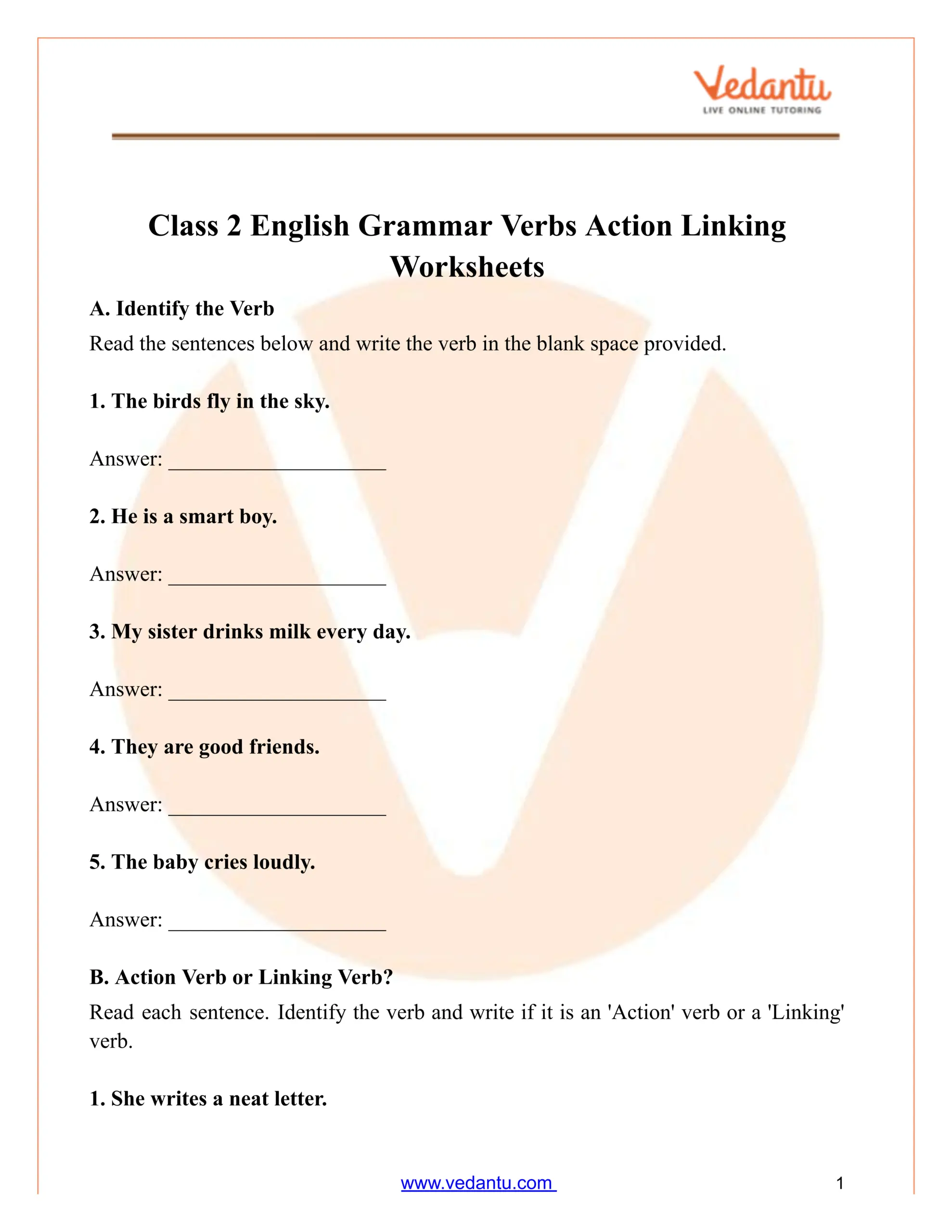
Class 2 Action Linking Verbs Worksheet Free PDF Practice
Understanding Linking Verbs
Linking verbs play a vital role in sentences by connecting the subject to additional information, such as an adjective, a noun, or a prepositional phrase. Common examples of linking verbs include ‘be,’ ‘seem,’ ‘appear,’ and ‘become.’ These verbs help to create equivalence between the subject and the predicate, allowing for a more detailed description of the subject. For example, in the sentence ‘The sky appears blue,’ the linking verb ‘appears’ connects the subject ‘The sky’ to the adjective ‘blue,’ providing more information about the subject.
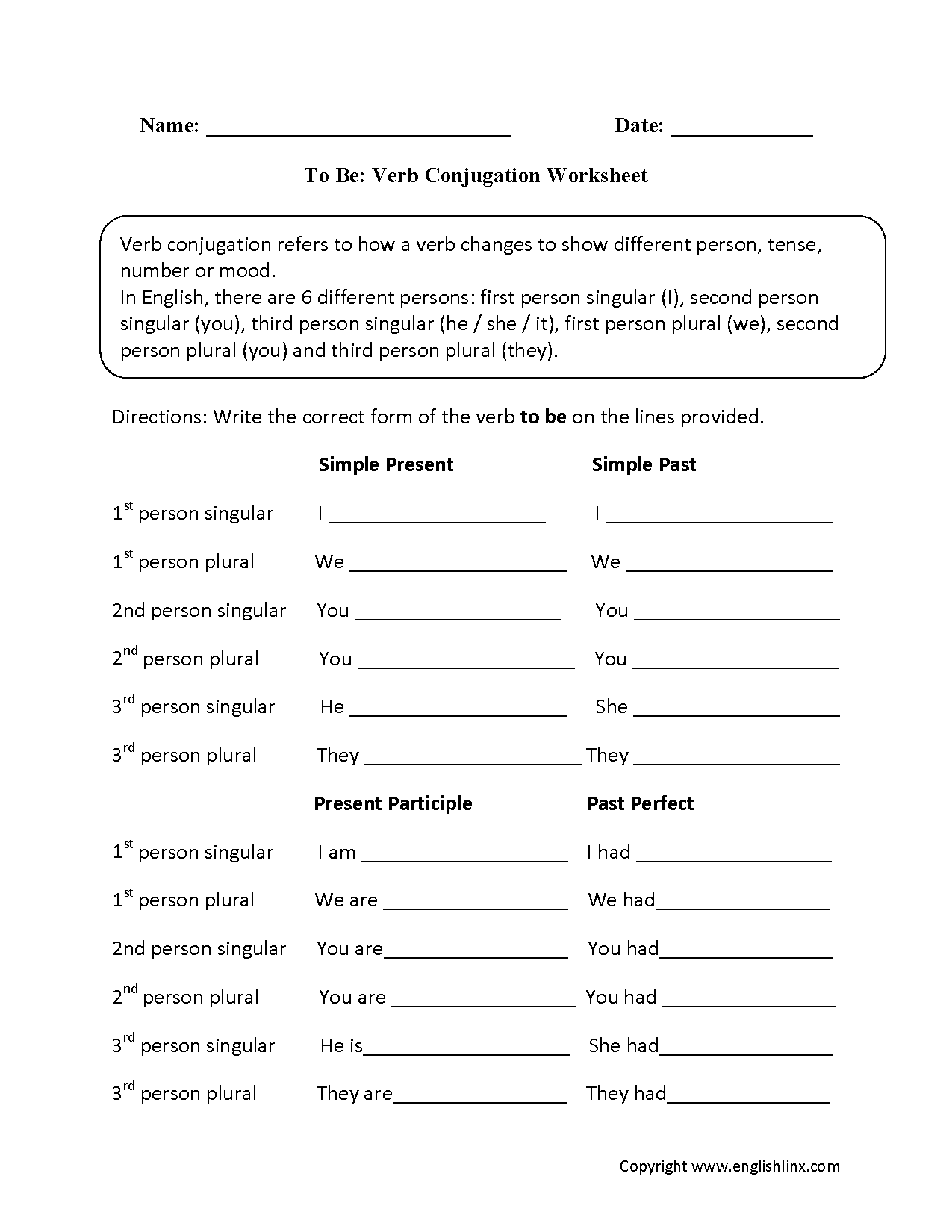
Free Verbs Worksheets Printable Action Linking Irregular Verb Practice
Action Verbs: The Powerhouse of Sentences
Action verbs, on the other hand, are the powerhouse of sentences, as they express physical or mental actions. These verbs can be transitive, meaning they take an object, or intransitive, meaning they do not take an object. Examples of action verbs include ‘run,’ ‘jump,’ ‘read,’ and ‘write.’ Action verbs help to create dynamic sentences that convey a sense of activity or movement. For instance, in the sentence ‘The dog is running,’ the action verb ‘is running’ describes the physical activity of the subject, creating a vivid image in the reader’s mind.
Practicing with Free Printable Worksheets
Practicing with free printable worksheets on linking verbs and action verbs is an excellent way to reinforce your understanding of these concepts. These worksheets provide a range of exercises, from identifying linking verbs and action verbs in sentences to creating your own sentences using these verbs. By practicing with these worksheets, you can develop a deeper understanding of how to use linking verbs and action verbs correctly, which will improve your overall grammar skills and enhance your ability to communicate effectively. Whether you are a student, a teacher, or simply someone looking to improve your language skills, free printable worksheets on linking verbs and action verbs are a valuable resource that can help you achieve your goals.
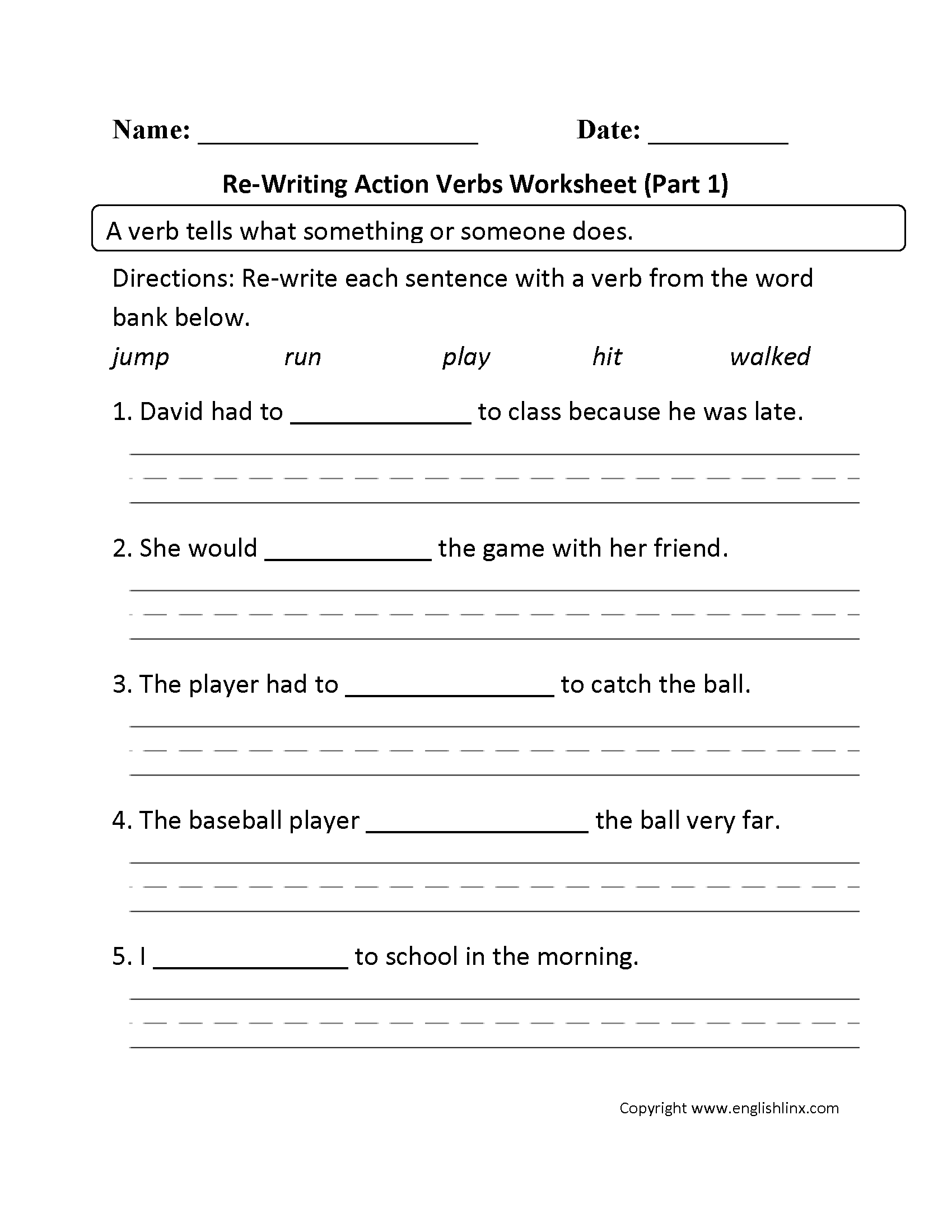
Verbs Worksheets Action Verbs Worksheets
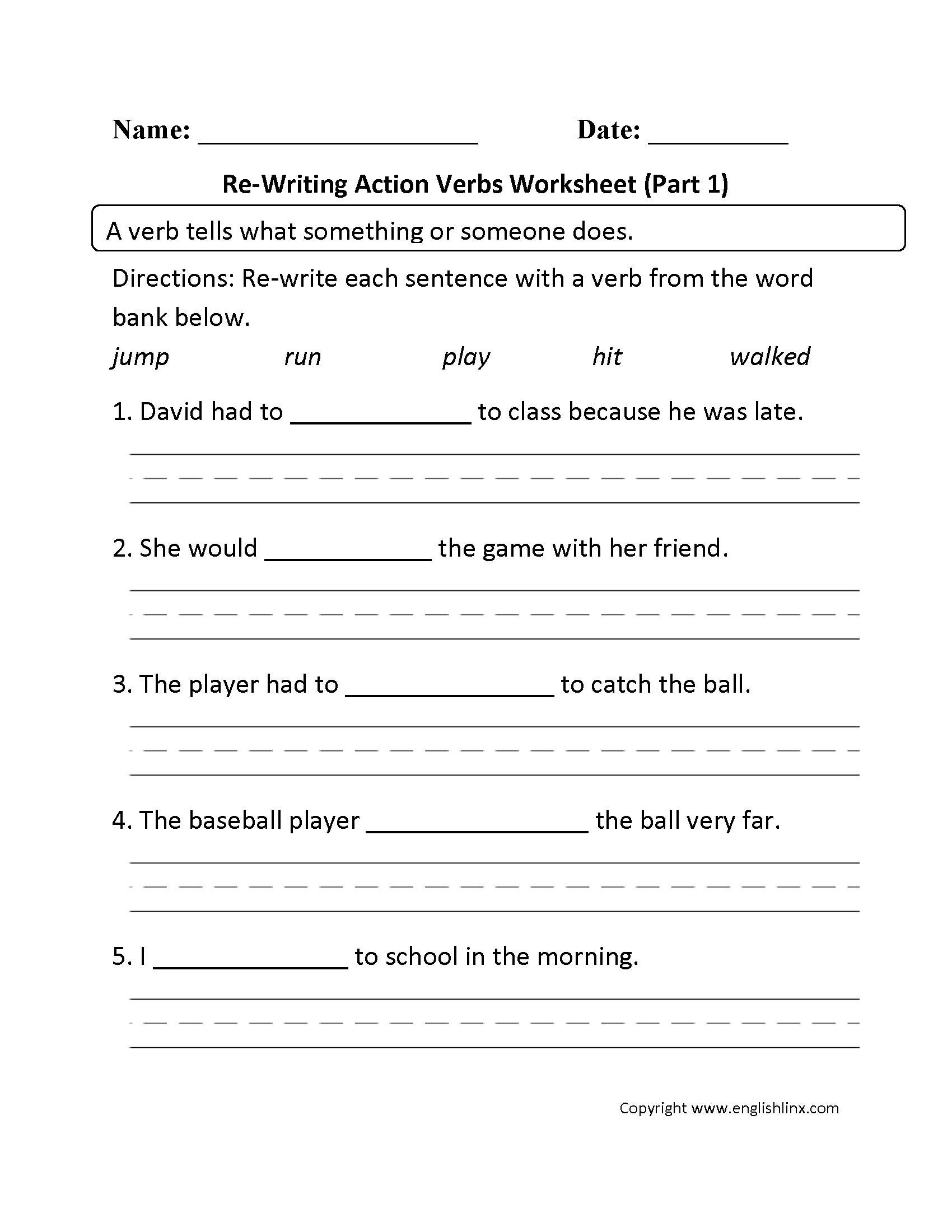
Verbs Worksheets Action Verbs Worksheets
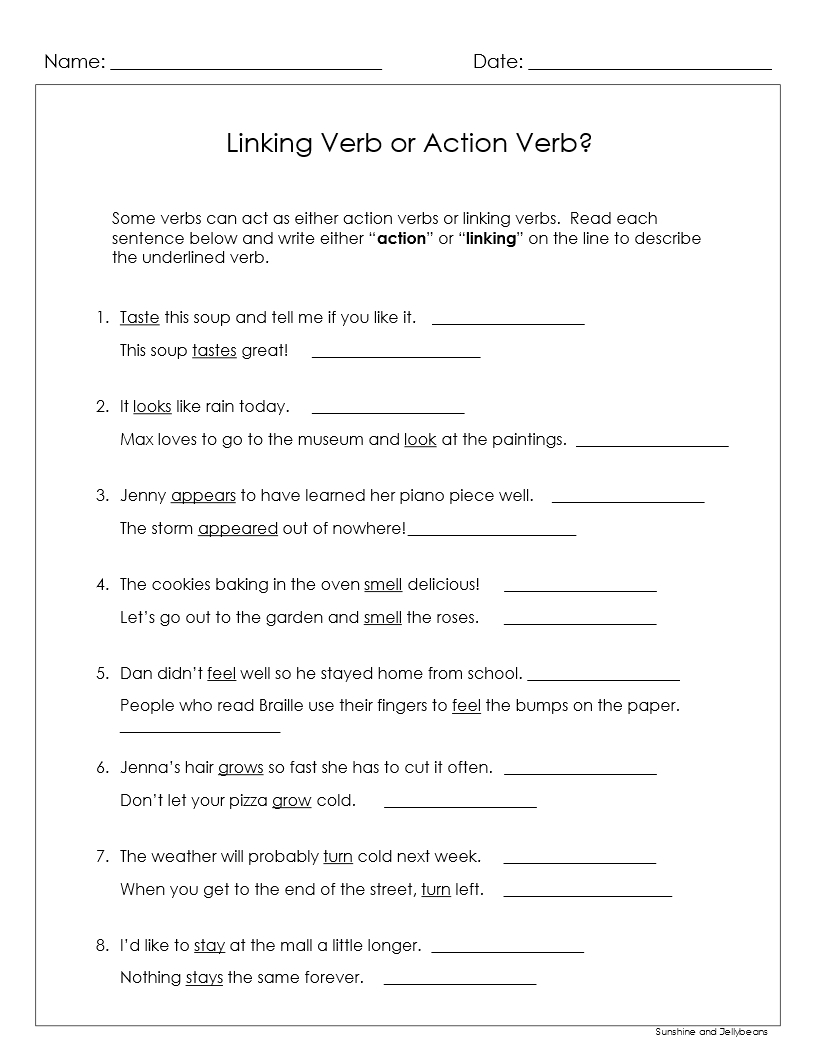
Linking Verbs And Helping Verbs 5 Worksheets Answer Key Grades 3 4 Google Drive Made By Teachers